What else except for Videogames has the Tokyo Gameshow to offer? A video that catches the atmosphere of the Tokyo Gameshow. The coolest booths designs and of course the hottest babes. Enjoy!
Tokyo Gameshow 2011 von Daaaaaaaaaaaax
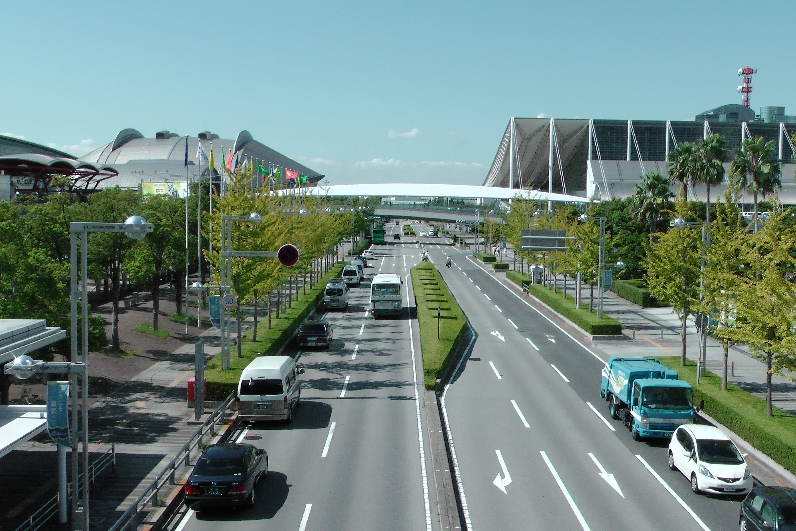
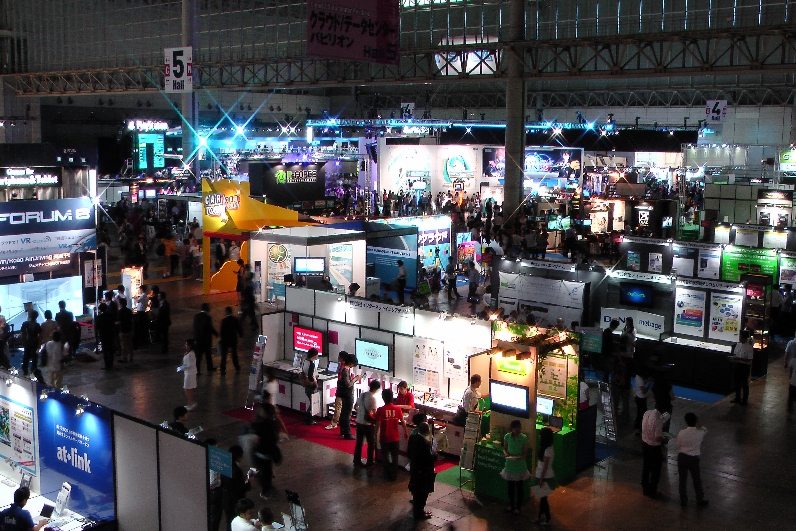
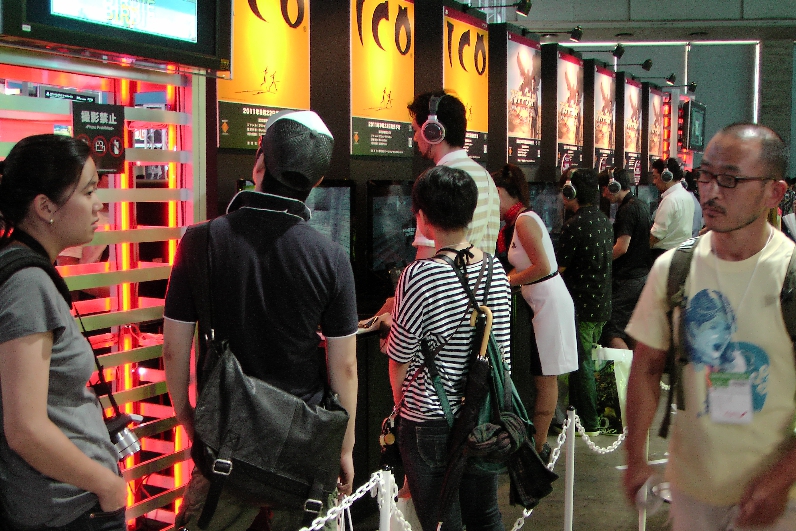
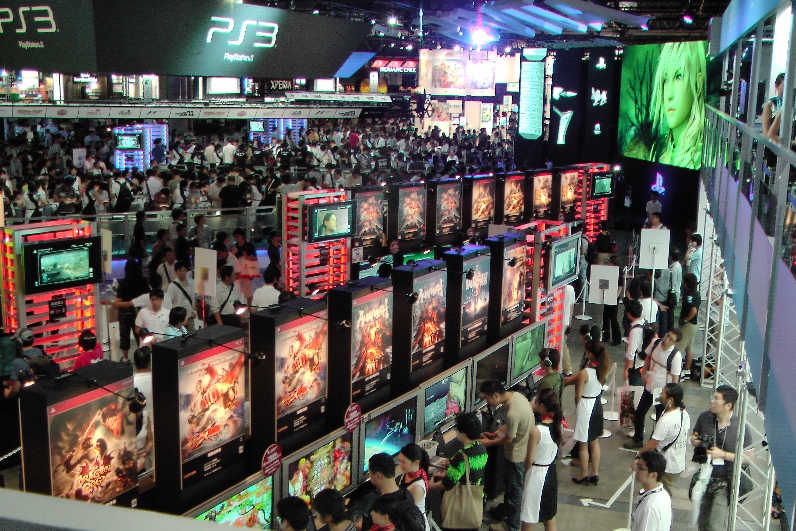
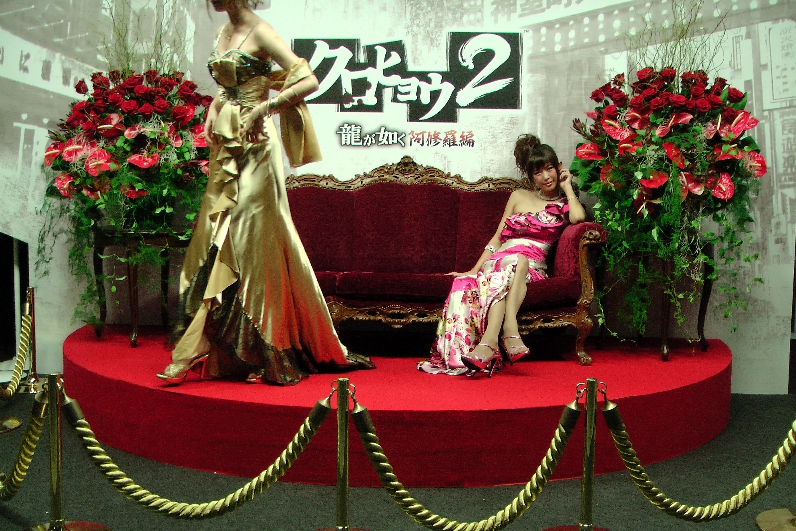
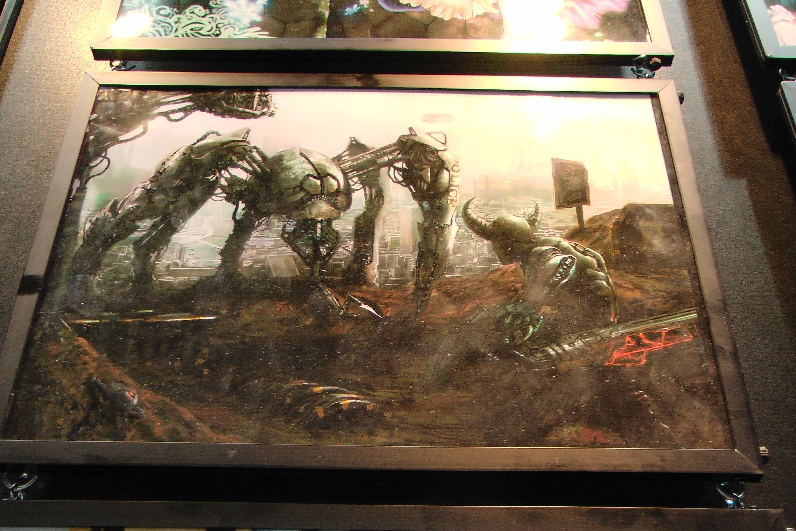
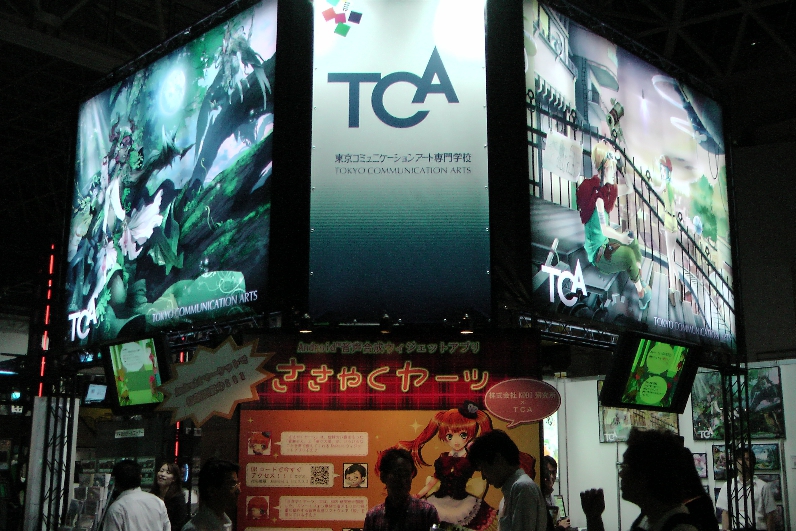
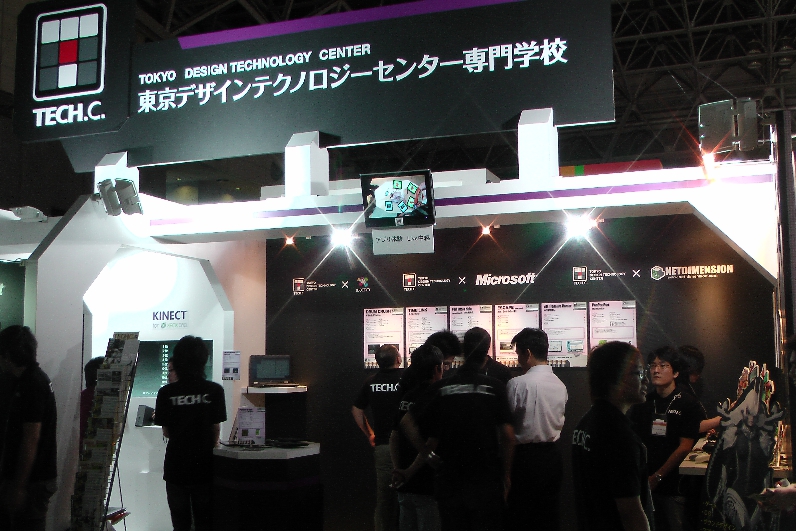
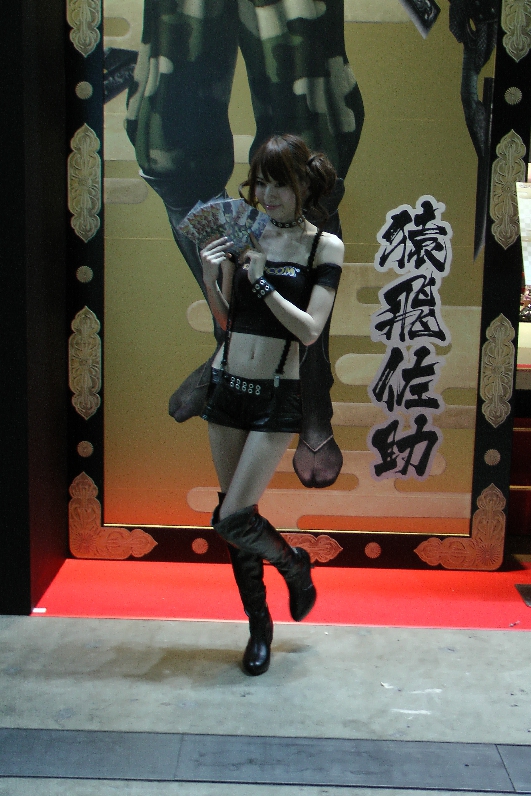

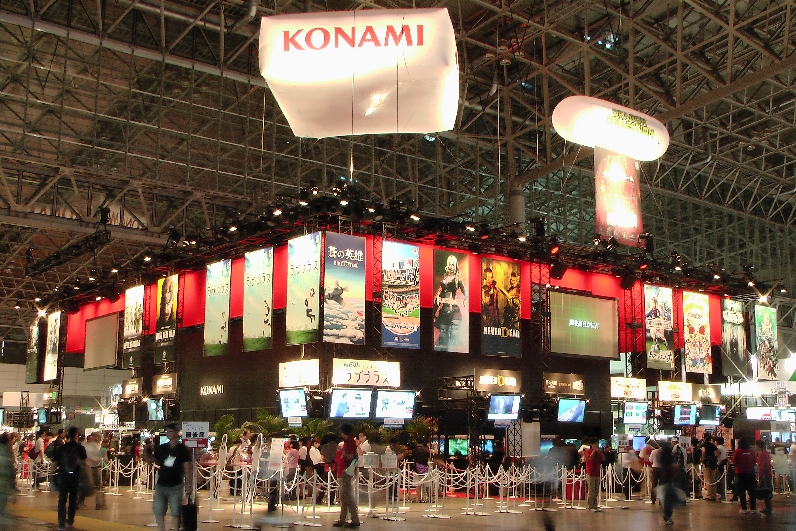
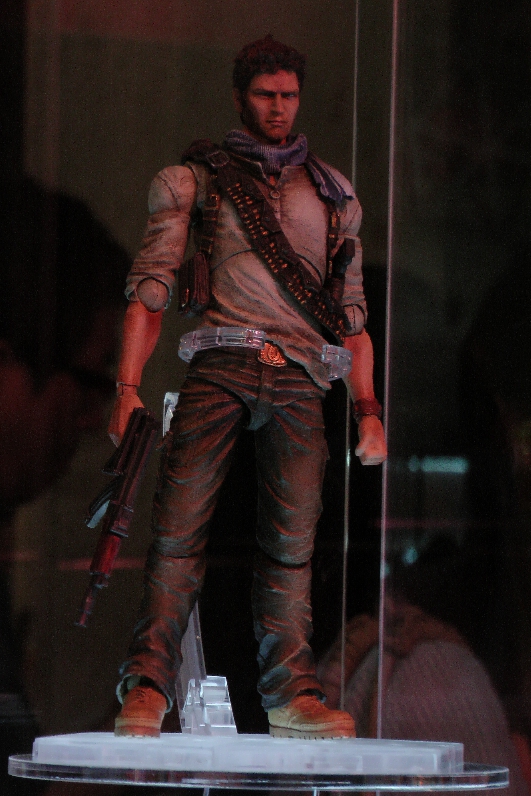
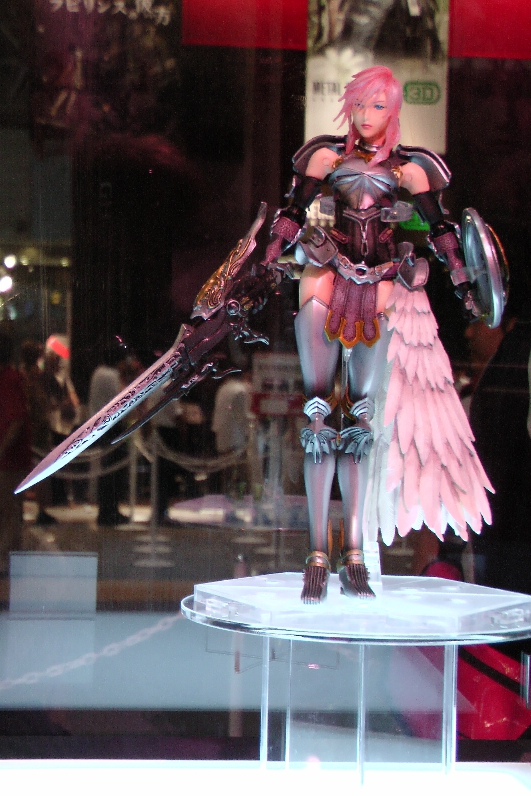
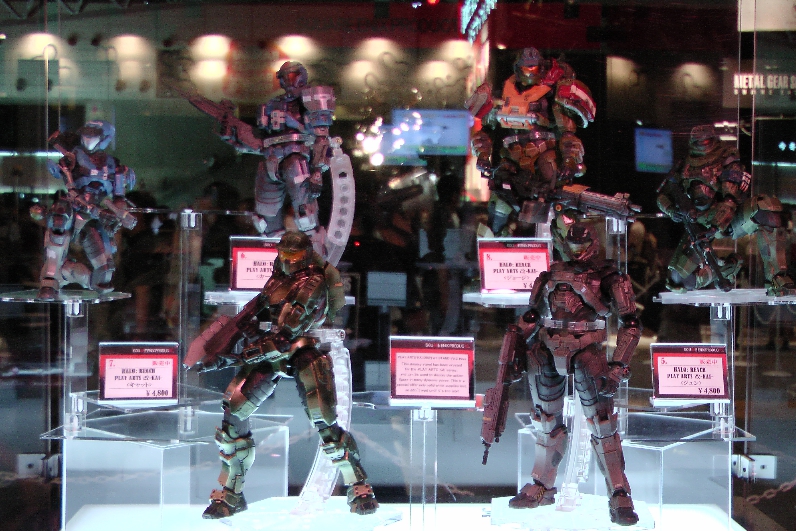
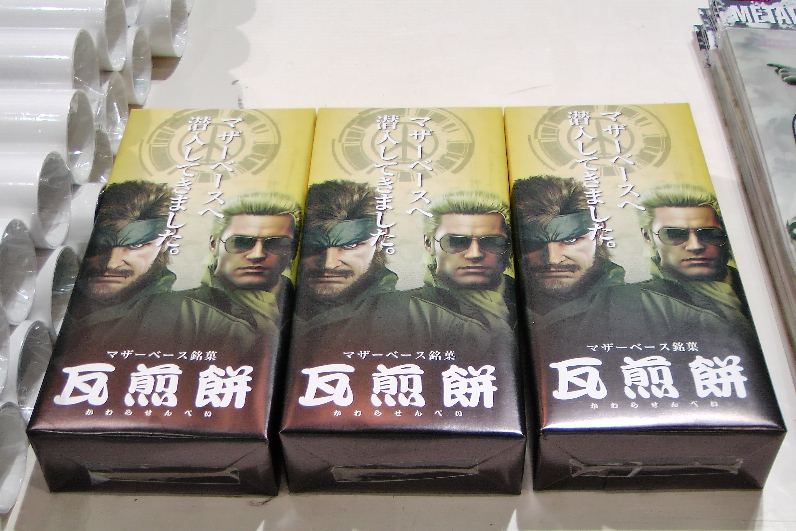
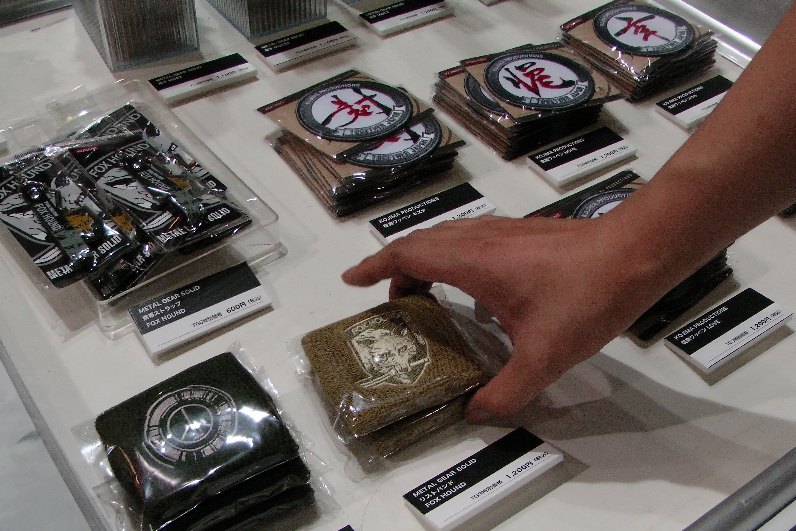
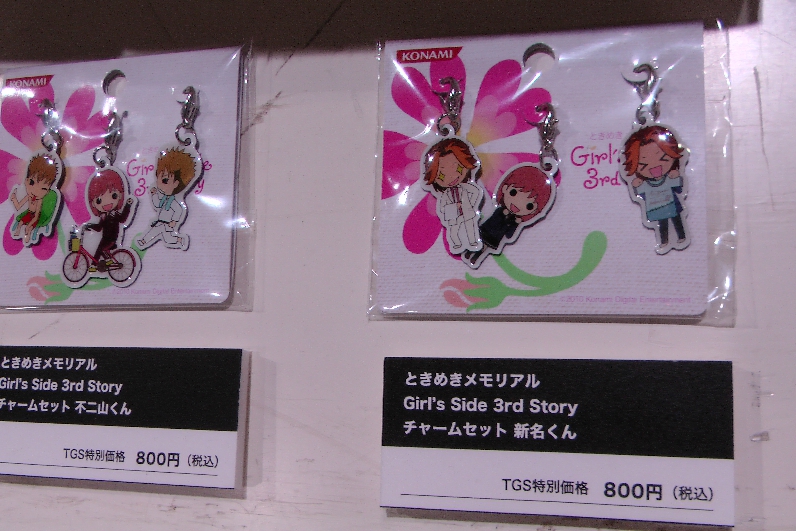
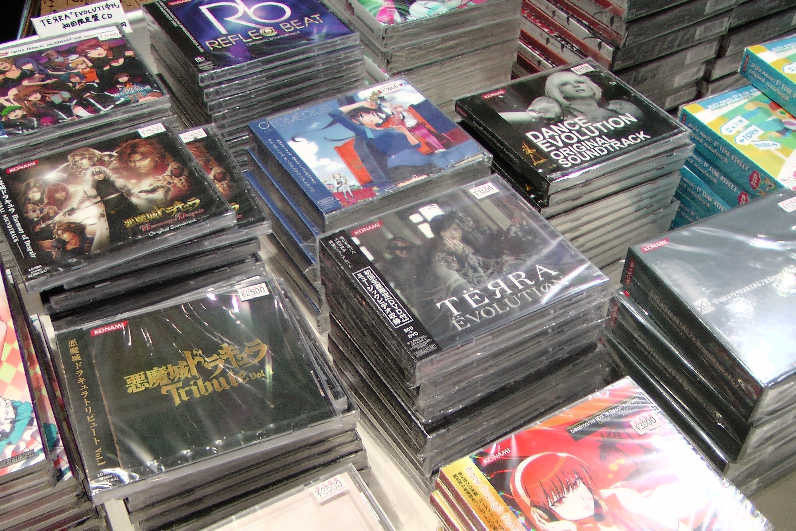
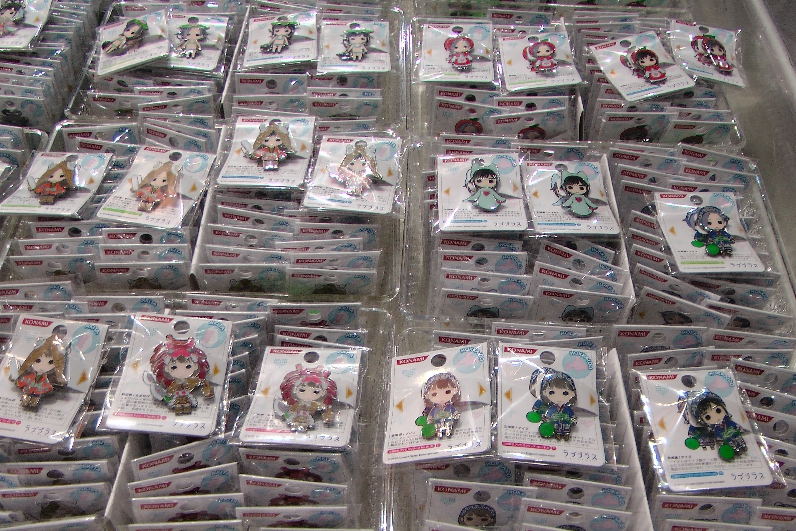
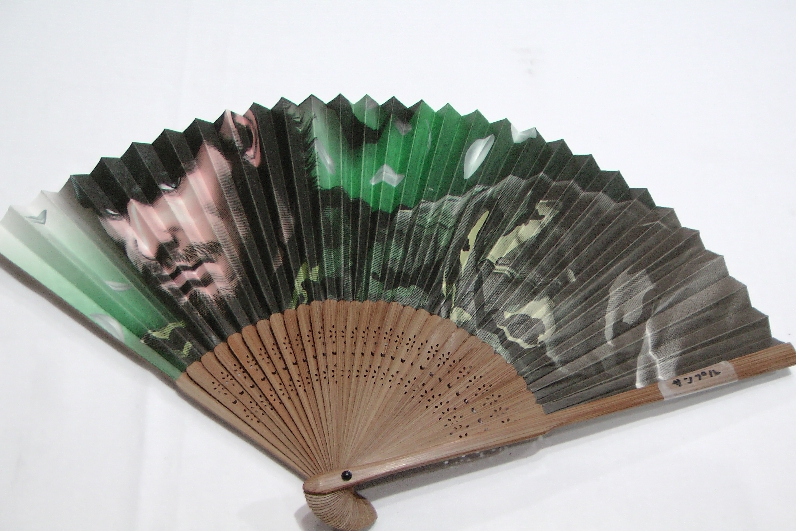
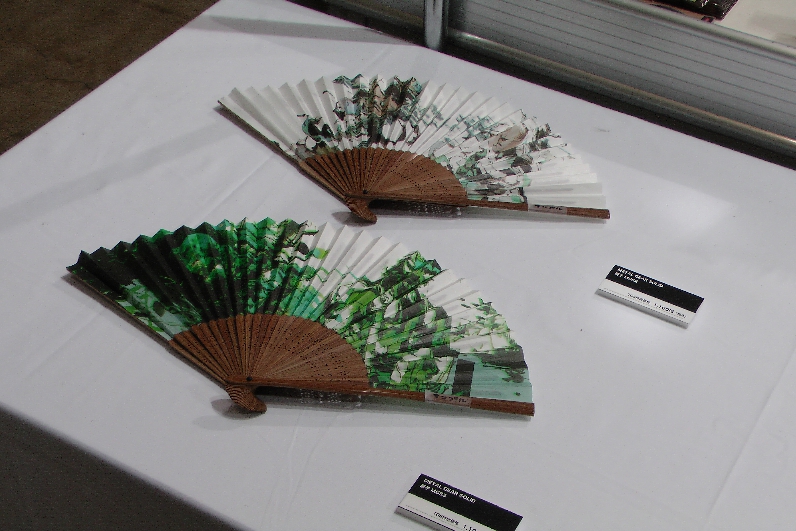
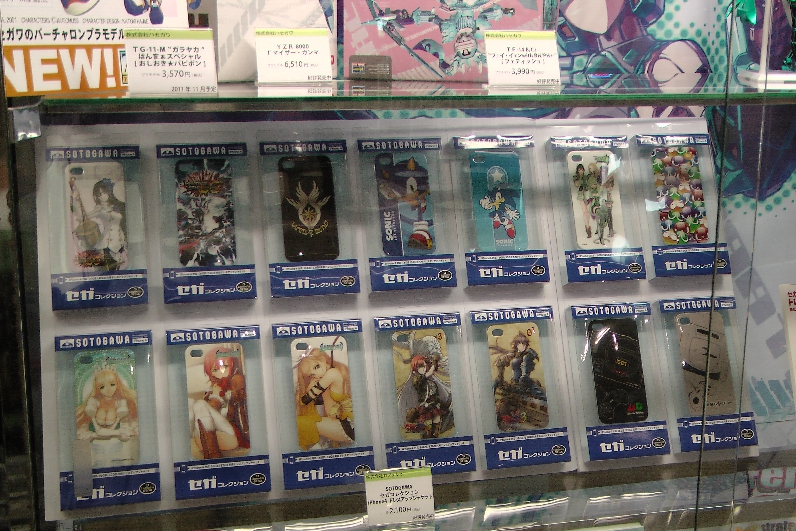
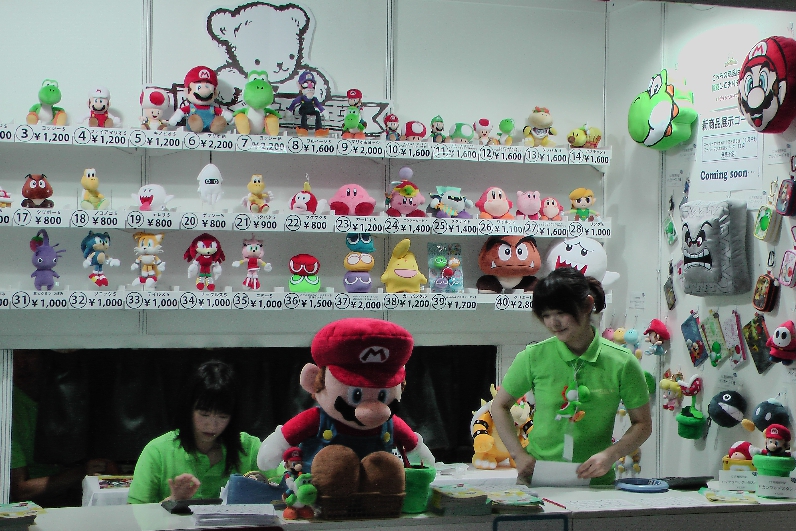
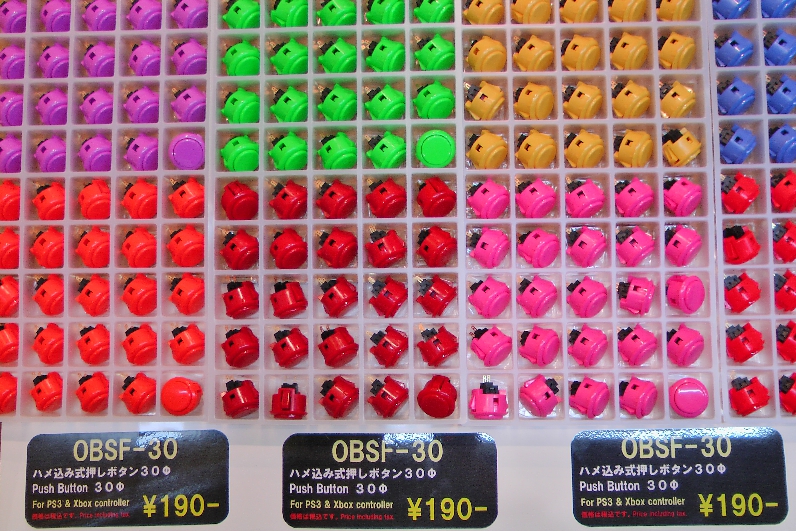
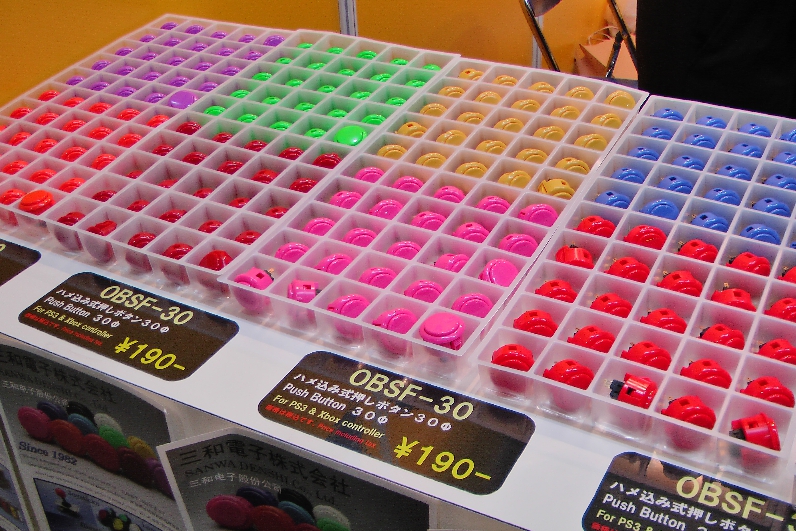
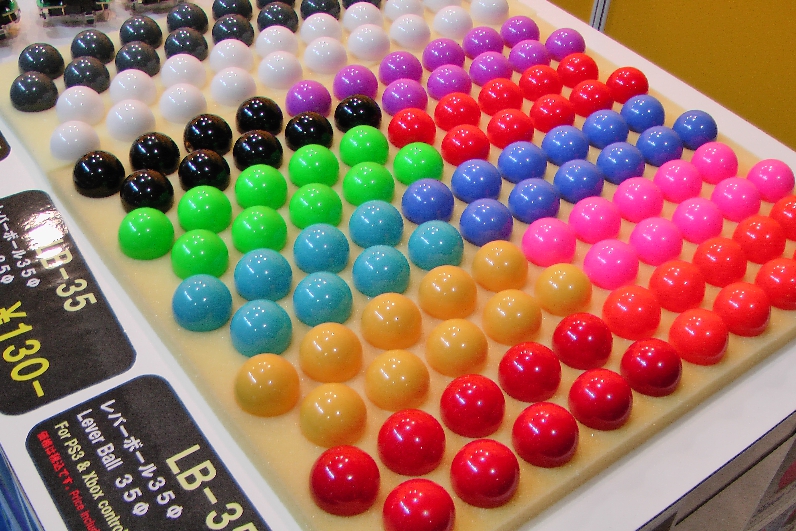
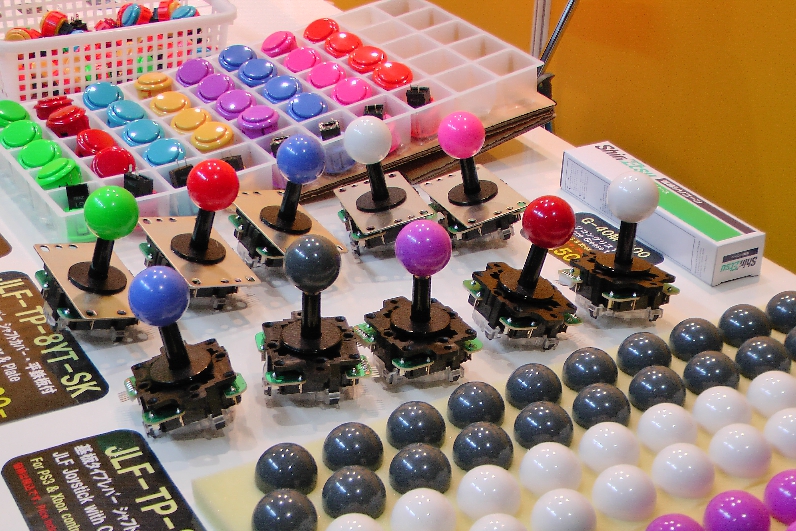
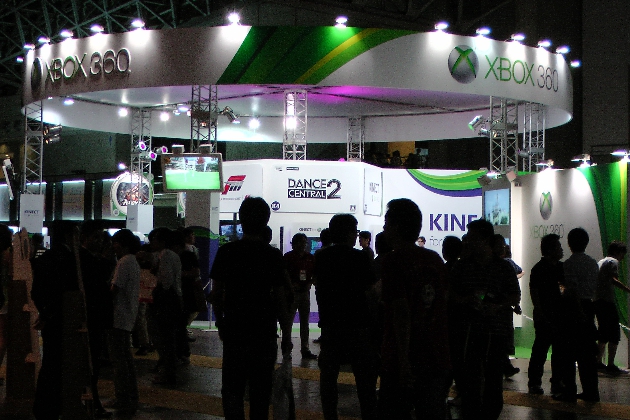
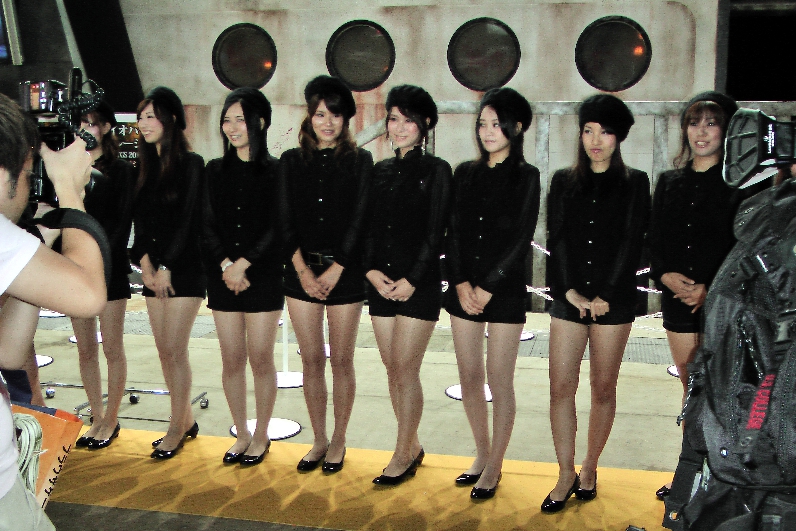

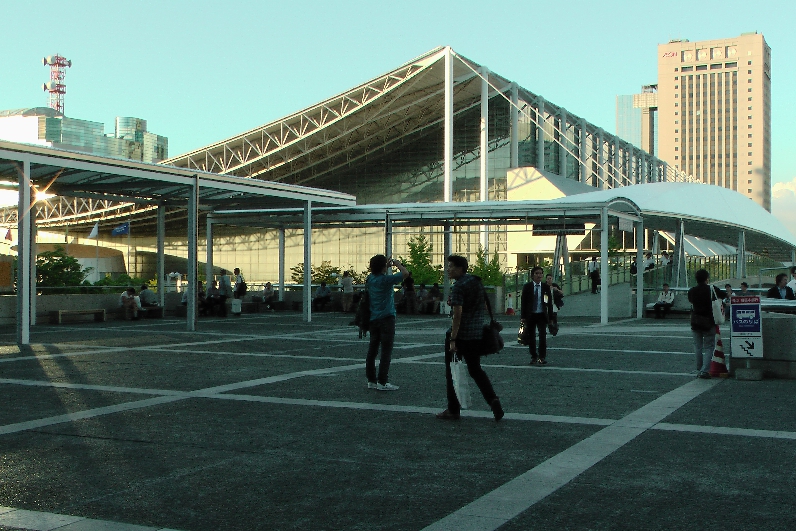
What else except for Videogames has the Tokyo Gameshow to offer? A video that catches the atmosphere of the Tokyo Gameshow. The coolest booths designs and of course the hottest babes. Enjoy!
Tokyo Gameshow 2011 von Daaaaaaaaaaaax
A short video about Tokyo’s couch surfing meeting and pictures from the famous crossing in Shibuya at night! Enjoy!
Couchsurfing Tokyo von Daaaaaaaaaaaax

Over 30 attendees

Kampai

Er ... what was I gonna mix again? Hmm. I guess I shouldn't taste every cocktail ...

Shibuya at night

Mandarake
Not the main reason but surely a crucial one as to why I came to Japan is my strong interest in one of Japan’s most important exported cultural goods: mangas and video games. And this is why it will get technical once again this week. I’m making my way to the Mecca of video games, Tokyo’s tech shopping quarter, Akihabara. Here one hardware shop/store strings to the next, video game store to video game store, also manga and anime model making fans get their money’s worth by a stroll through Akihabara.
As a merchandise freak I’m on the hunt for fancy video game T-shirts and posters. One of Akihabaras biggest anime and video game stores is Mandarake. Within their six floors you will find everything the video game freak’s heart desires. One complete floor is solely dedicated to video games. And even retro fans will strike the jackpot here! Four long shelves full of Super Nintendo games! SEGA Saturn-, Dreamcast-, Nintendo 64-, PC Engine-, and even NES-Games still can be found in abundance here! Unthinkable in a Bestbuy, Radio Shack, or Circuit City. Another floor is full of merchandise and model making. Ah right, and even porno pals are thought of. One floor stuffed with hard core comics. Yes you read right. No photo mags but comics.
So a lot of paper. We are getting closer to poster like things. Now I only need a theme which I don’t have to take down every time I have children visiting also the format should be somewhat bigger. Hm… it seems that I won’t find what I’m looking for here.

Super Potato
I am setting forth to Super Potato. One of Akihabara’s – if not THE oldest-established retro shop/store. It brings me back into my childhood when I enter the shop/store. It’s simply fantastic! They have all these old consoles in stock even with their original packaging! Wow, even a whole shelf filled with only video game sound tracks! At last some T-shirts.

Super Nintendo/Super Famicom

Good old Game and Watches

Chrono Trigger Soundtrack
Perhaps I can find some posters on the upper floor. Wow, a retro arcade! Only historic titles! Cool!

Final Fight (left) Metal Slug (right)
But there are no posters here as well. Aaaahh. I’m frustrated. I simply have to beat up some Japanese people! I think I’ll start a fight now. Yes, and beat the first one with my bare fists! For the second one I’m taking a steel pipe! I think I should slowly make tracks. More and more people are attacking me now. Nooooo … Game over!
Special thanks to: Hubertus Neidhart from Webspace Provider Network for excellent web page hosting services; Super Potato, Lilith Pendzich, Germany; Brandon Lamb, U.S.A.;
It’s finally about time to say something about my new job. As I already mentioned it is a project based job, and slow but steady we are about to reach the end of our project.
The company in which I am working does so-called linguistic video game testing as briefly mentioned in week eight. Times in which we get video games only in its origin language are fortunately over since the nineties. Games are being translated and adapted to their respective markets. This process is called localisation.
Just translating every manual and game texts won’t suffice here. Every culture comes up with small but mighty distinctions which can lead to big misunderstandings or even provocations if adapted inadequately.
Some examples:
Cultural or history-bound distinctions
A move in a snowboarding game is called Super 9/11. Needless to say that the name will be changed for the U. S. market.
Measures
Whereas in Germany, Austria or Switzerland the metric system prevails in the U.S.A. or U.K. gallons, degrees Fahrenheit, feet and miles are used. The adaptation does not mean a problem when translating it in texts. But for speedometer and thermometer – scales which need to be calculated in real time – complete new algorithms have to be programmed.
Poems and puns …
… are certainly one of the biggest challenges of a localisation translator. On one hand one would like to preserve the rhyme or the wit but on the other hand, logic should not fall by the wayside. A problem which is also linked to the film industry. Here an example from the film ‘the downfall‘:
Drunk German soldiers in bombed down Berlin:
Hey Berlin ist die Stadt der Warenhäuser. Hier war ‘n haus und da war ‘n Haus.
Hey Berlin is the City of ware houses. Here were houses and there were houses.
Poems or lyrics from Disney films are often mentioned as paragons for localisation work.
The localisation happens almost simultaneously with the creation of the base frame of a game. So relatively early in the development phase. After all the script has already been written so that the localisation agencies can begin with the translation work. And this is how the programmers don’t just work with a single version of the game from the very beginning but in all versions in which the game will be released.
This is where the localisation testers come into the play. Our task is to check every dialogue, every menu, the whole content which was translated and adapted on semantic, grammar, formatting, terminology mistakes, misspellings, or culturally conditioned mistakes.
Theoretically now every game tester would have to complete the game including all menus and sub menus. So that the publisher does not have to pay too many hourly rates to us testers we are being given cheats by the developer with which we can win or – should the test require it – lose at the touch of a button. Also we receive cheats with which we can select all the levels directly.
By and by it should be getting more clear how linguistic game testing works. But how does it look in detail?
Games are being tested on so called debug consoles which are only available for the studios and can only be purchased by the manufacturer directly. With this systems it is possible to run games which are still in their development stages. The single version of a game in development is called a build. As soon as the first build is on the table the team arranges who is going to test which game mode respectively and which menu including sub menus. This way every language forms a team which single members sit in front of on their respective platforms (PC, console, handheld). Because no full priced game is being developed for a single system any more these days except for exclusive titles.
What kind of bugs are there? To answer the question briefly: many! Too many to be mentioned altogether in this text. But the most essential shall be mentioned: crashes, freezer and blocker.
Crash
As the name indicates the system simply crashes at a certain point of the game.
Freezer
The same here with the name. The system simply freezes at a certain point of the game.
Blocker
One is caught in a certain situation or menu in the game, might be able to go some steps forward or back, but can’t escape the situation as something was simply not considered during the programming. The program runs consistently stable but the player is given no other choice but to turn off the system.
All bugs of this category have a high priority and must be fixed before the release. Even if those bugs don’t have a lot to do with language they will also be reported by linguistic testers as they hinder the tester to proceed with the testing. However the linguistic testers priority is to check all the game texts.
The following bugs are the most important ones:
Incorrect string,
translation or
incorrect formatting.
Are the translations placed correctly in the game? Are there any misspelt words? Were some texts forgotten or are there some place holders or even the texts in original language at some spots?
Formatting mistakes are being given a lower priority. An example would be that a text is being displayed correctly in a text box however shown squeezed as it is simply too long.
Also it has to be checked if at certain spots the right symbol or letter graphics are being showed. Testers ‘biggest pleasure’ regarding this is the Nintendo Wii at the moment. Because all menus have to be checked three times. Why? The Wii has three different joy-pad interfaces. The old Gamecube joypads, the Wii-mote together with the Nunchuck or the classic controller. So every menu has to be checked that the associated button graphics are being displayed correctly depending on which input device is being used. And of course graphics do also have to be checked regarding their system affiliation. Nintendo wouldn’t be flattered at all if the menu in one Wii game were to say: ‘Press the X-button to proceed or the O-button to cancel’. Also a certain text might be very readable on a high resolution Play Station 3 or Xbox 360 version. The PAL or NTSC resolution of the Wii might only show a blurry line. This is where the so called cross-check goes into play. After extensive testing the bugs are checked at the end of the day if they can be transferred to other plattforms or language versions. Most of the time blockers can be reported for all versions as it is inevitably a mistake which happened when programming a situation, which is to say that it will be the same in all versions. It becomes more complex with freezers or crashes. Does the system freeze because the code is insufficiently adapted to its system or because of the fact that a mistake was made when programming the base frame? Was a line only translated incorrectly in the German version or did someone make a mistake when compiling the script and all versions show the wrong string at a certain spot?
Why does one test a language’s menus during the development stage at all? Wouldn’t it be more simple to finalise the game first and to check everything at the end? One might think so, however, there are situations which can be explained in one language with only one word but might devour three lines in another. It won’t happen that a wider text box is programmed for only one language version. Either the text box will be enlarged for all language versions or one will try to shorten the text in that version in which the text is too long. So errors do occur which require code changes. Hardly possible with a finished game. Also it happens that some menus change after the localisation or menus or areas are added subsequently. Most of the times these translations are done by the linguistic testers and not by the localisation agencies any more.
How does it go on with the reported bugs now? Most developers use an encrypted online database to monitor the development progress of their products. Its advantage is that the progress can be checked from anywhere in the world. This is how the developers may sit in Canada for instance whereas the testing studio might be located in Japan. The development team now has the bug report and starts with the corrections. As soon as the bug is being wiped or the programmers think they have cured the error the ball is being passed back to the testing team. Because even if the bug is described in detail it is not always plain to see if a bug was really fixed. So when the testers then received the list of the fixed bugs they are checked if they are completely eliminated. If there isn’t any recognised change or the tester declares the alteration is insufficient the bug remains in the database or is enhanced with a more detailed description. This procedure is continued until the last bug is being fixed.
What atmosphere prevails in such a company? At first glance, somewhat deterrent might be the fact that you don’t have access to any area without an RFID chip key card. Also every tester has her or his own locker as any kind of data carrier has to stay outside the office. That is valid for mobile phones as well as for mp3-players. Cameras are an absolute no go. And communication with the outside world? The office place of the video game tester is one of the rare ones which copes without a phone. Emails can only be sent by the administrator authorised mail addresses. And who was hoping to gain further recreation during breaks by checking out XXX-web pages will be grievously disappointed. Even here only admin authorised pages can be viewed. Damn it! … In other words it is quite difficult to smuggle the testing game onto the internet or outside the office.
And what kind of working atmosphere prevails? Tester are young folks, rarely over 30. Who would like to keep up her or his second language(s) an passant rejoices to receive a free conversation course with this job. The Italian girls are wondering in their language about Berlusconi’s latest achievements, the guy behind me almost walked Spanish on me, and to my left someone is cursing in French. In other words we are weird folks. But we like it to be weird.
What qualifications does one need for such a job? Of course good native language skills. Because you will have to pass a ten page (!) long test at the job interview at the least. All bugs are being reported in English. Thus you should have good English skills as well. The job interview will be in English. As in every office job, good office software skills are required. And last but not least you should know how to hold a joy-pad correctly of course. The introduction to the database is quickly learned. Graphic or video editing programme knowledge is a plus but can also be conveyed within the first working week.
What salary/wage can one expect for such a job in Japan? It can vary depending on the region of course. It shouldn’t be below 1.300 yen per hour. In general wages fall around 1.500 yen per hour. Testing happens full time in a 40 hour working week, with a high volume of work even on Saturdays and Sundays!
Who now feels like getting such a job and would like to link it with a work and travel/working holiday stay in Japan should check out following links:
http://www.uniconpro.co.jp/de/recruit.html
http://www.enzyme.org/index.php?id=75&L=1
Special thanks to: Hubertus Neidhart from Webspace Provider Network for excellent web page hosting services; Lilith Pendzich, Germany; Brandon Lamb, U.S.A.;

Fuji San
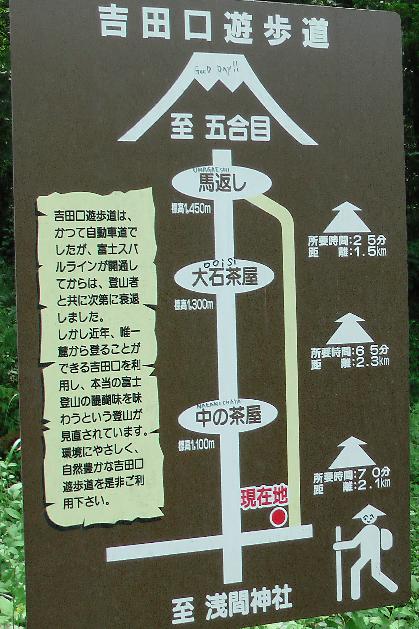
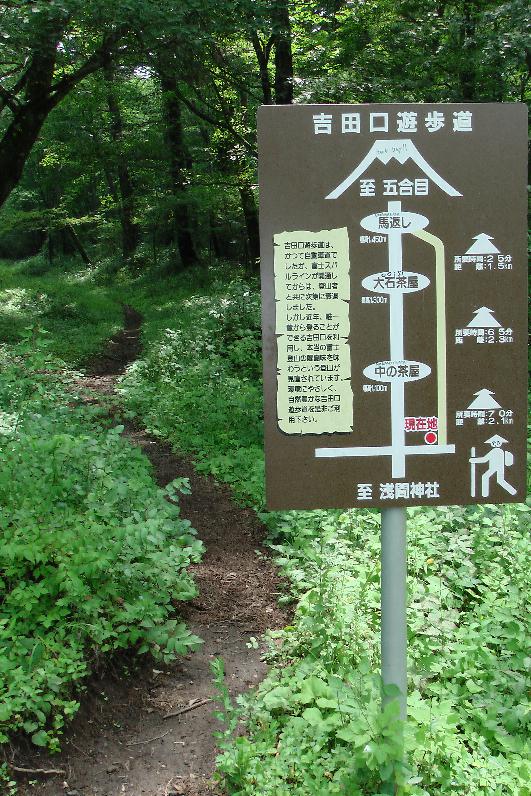
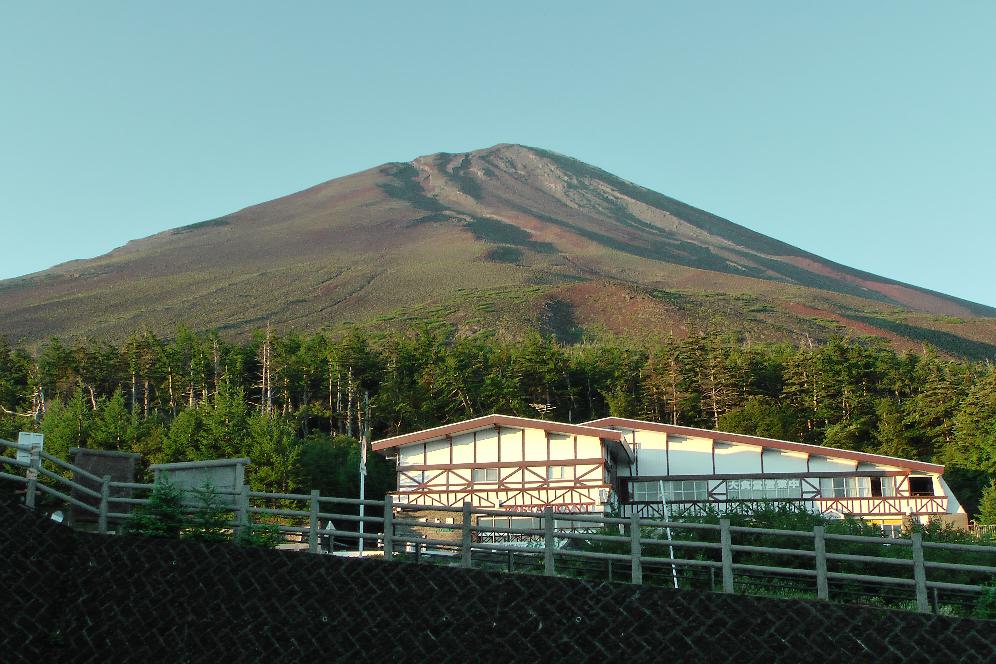
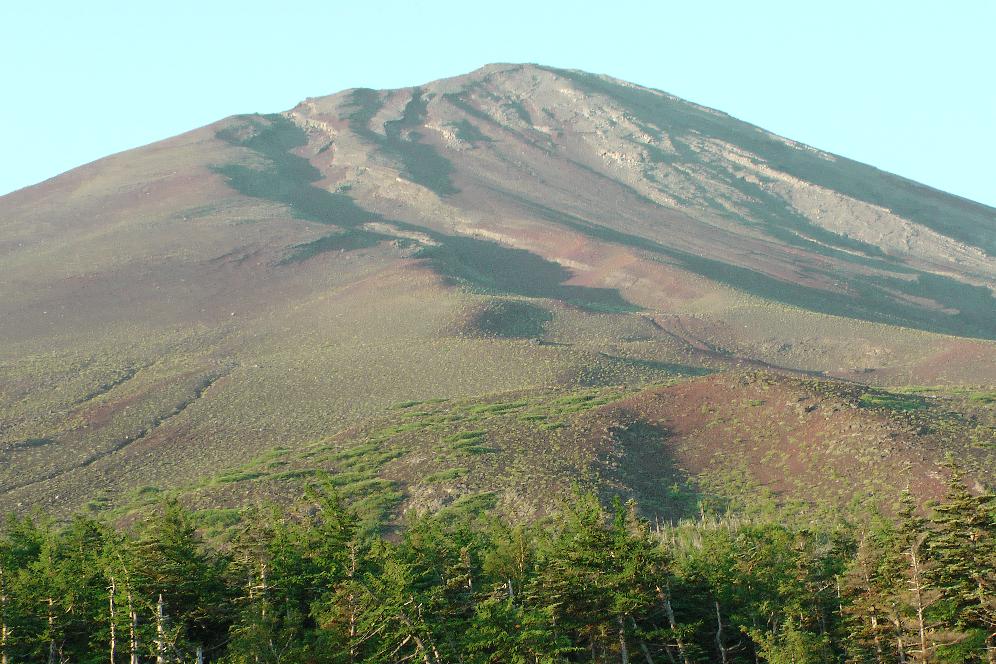
It’s time for a countryside trip again! This time to Japan’s highest mountain, Fuji San. And I already found the perfect partner for this hike. Andreas, my school friend whom I introduced last week. He has already climbed the 3776 m high Fuji San three times from the very bottom to the very top! The main starting point for hikers however starts from station house five at 2300 m altitude. This is the final destination for buses to Fuji San. However, Andreas and I have decided for the long route. We are starting at 12:00 p.m., and want to reach the summit around one or two a.m. Pleasant, until Station house 5 most of the route leads through a forest so that we always walk in shade protected from the burning sun and don’t need sun screan at all.
The following equipment should be packed into your backpack for climbing Fuji San: The gear can vary strongly depending on the season. Weather-wise July and August are best suited for a less challenging climb. Furthermore it should be mentioned that the so called station houses there are closed in the winter season thus you can’t by any supplies then. However it’s summer. And for this time following items shouldn’t be missing:
Torch/Flashlight (even if you plan climb it during the day you never know what happens and for how long you will stay at the end )
Batteries
a little towel to wipe off one’s sweat.
Four litres of water. Sounds like a lot but it will not last to the summit if you start from Fujis foot
Advisable but not essential: walking sticks.
Depending on the climbing time: sun screan and sunglasses. – Even on cloudy days.
Lifesaving: rain-protection and good weatherproof clothing!
Depending on the starting time of your tour a good torch/flashlight is recommended. The last passage is steep. So walking sticks can be very helpful some of the time. From station house seven on the route gets very steep and it is recommended to have both hands available or to make good use of the walking sticks. Thus a headlamp is recommended. One does not essentially need good walking shoes. Many people climb Fuji with trainers/sneakers and come back alive and without blisters on their feet. I got myself polyester trousers/pants however Andreas decided for regular jeans. But weatherproof clothing should never be missing. Even if Fuji San has its very own and quite reliable weather forecast one should be prepared for a change in the weather. It is necessary to have a good raincoat. Also gloves are very useful. Temperatures of minus -5°C (23°F) can be reached during the summer months. So the jacket should have a good lining. As one can easily break sweat on the ascent fleece shirts are to be preferred over cotton ones. As the cotton quickly gets soaked with the sweat and one quickly risks an under cooling depending on the wind and altitude. Those climbing Fuji during the day and who do not have the best melatonin balance should carry sun screan with her or him. Those who turn the ascent into a two day adventure should also think about toilet paper. And of course a lot to drink…
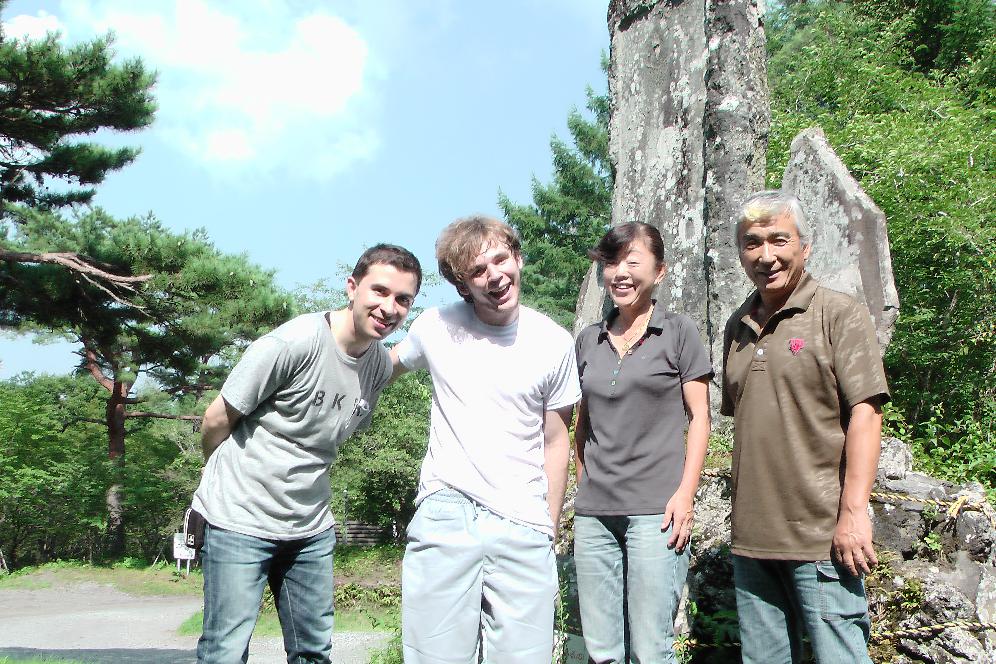
At our first break after approximately one hour we meet a retired Japanese couple who offer us self-harvested peaches. It is hard to believe but I already drank two litres of my four litre drinking stock.
On to station house no. one. On the way to it, not a single soul. Shortly before the second station house there is a small parking lot. On our walking route the last access point for cars until station house no. five. Here we meet two Polish people. Well, even Germany’s neighbours appreciate high mountains.
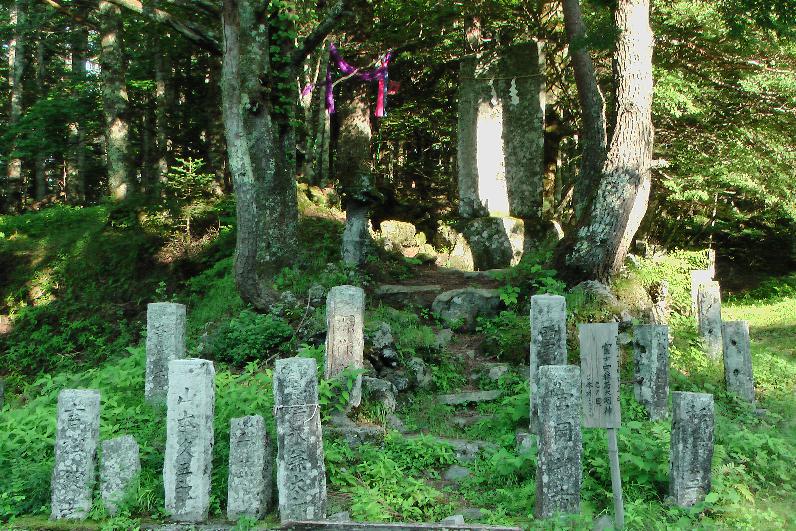
It is already 4 p.m. and we have just reached station house no. 3 at 1700 metres (5577 feet). By the way for some time now Japan has been trying to get Fuji San into the Unesco world heritage. So far the applications have been rejected due to a lot of garbage lingering on and around Fuji San and due to the fact that the mountain does not have enough plants worth protecting. Andreas and me are finding relatively little bottles or plastic bags – there are some walking routes in Germany which are far dirtier than those here, however the so called station houses starting at no. one until no. five are anything else but eye candy to me. They are rotting hut ruins, collapsed, shrunken and abandoned. Even if I am not a Unesco juror I am able to relate to their reasons for their rejections very well. When a street to station no five was built all lower located station houses became less important. Since then a lot of hikers don’t start their route from the very foot and so it became less lucrative for the landlords to keep up the huts. The supplies were carried to the huts after all. Which is still valid for all station houses above no. five by the way.
We are lucky with the weather. Not a single rain cloud. But around 7 p.m. the dusk slowly arises and Andreas and I are fishing out our torches/flash lights. Mine is way brighter but despite four A batteries it’s dead after less than an hour. The starry sky and even the shining moon do not really help us here in the forest. We are both hoping that Andrea’s batteries will last a little longer at least. We turn the flash light on and off several times, testing to see how it would be if the second torch/flashlight died. Even in somewhat brighter clearings with moonlight we are stumbling immediately on the stony ground. Not to mention the possible danger of taking the “wrong fork”.
Tired but not completely exhausted we are reaching station house no. five. My stomach has been aching for a while now. The first one which is not a collapsed ruin. My drinks did actually last until here. Still I’m running low. I’m getting myself a two litre bottle for 1.000 yen.
At 9:30 we are moving on. The route is getting steep. Very steep. A lot of tourists are accompanying us now who came via bus to station five and started their tour from there. Many tourists have an American accent however for the most part are Japanese people. It’s holiday season after all. That means that one should book the trains or buses to Fuji San at least two weeks in advance.
About 10:00 p.m. we are reaching station no. 6. The thin air is giving us a hard fight. My stomach pains are getting stronger. Even Andreas is complaining about slight stomach aches. As he climbed Fuji San already three times without having had any stomach problems we can’t see any reason for them. Even though I slept for five hours last night so I want to preclude exhaustion as a reason, hehe. So what is it which is giving both of us this hard fight? Hm there was this nice couple with the peaches… But they were really tasty. Could they have upset our stomachs? However it is the only thing we both ate together today.
About 11:00 p.m. we are reaching station house no. 7 at almost 3.000 m as my stomach aches are becoming unbearable. It is a cloudless night sky. Up I can see what I haven’t seen since my arrival in Japan: a marvellous swath of the heavens with thousands of stars and even the milky way! We’re even spotting three shooting stars! But unfortunately I can’t really enjoy it because in addition to my aching stomach the thin air affects my circulation so strongly that my face is turning ashen. Even a one hour long break does not improve my constitution. We are lucky with the weather. A slight breeze prevails. But despite two sweat shirts and a jacket we both begin to shiver. What would one expect if you don’t move any more. My stomach aches are getting even worse! I’m completely prostrated and am telling Andreas: “I’m sorry I have to give up!”
I’m astonished by Andreas’ reaction. He is not disappointed at all! Well okay, he has been to the summit several times already.
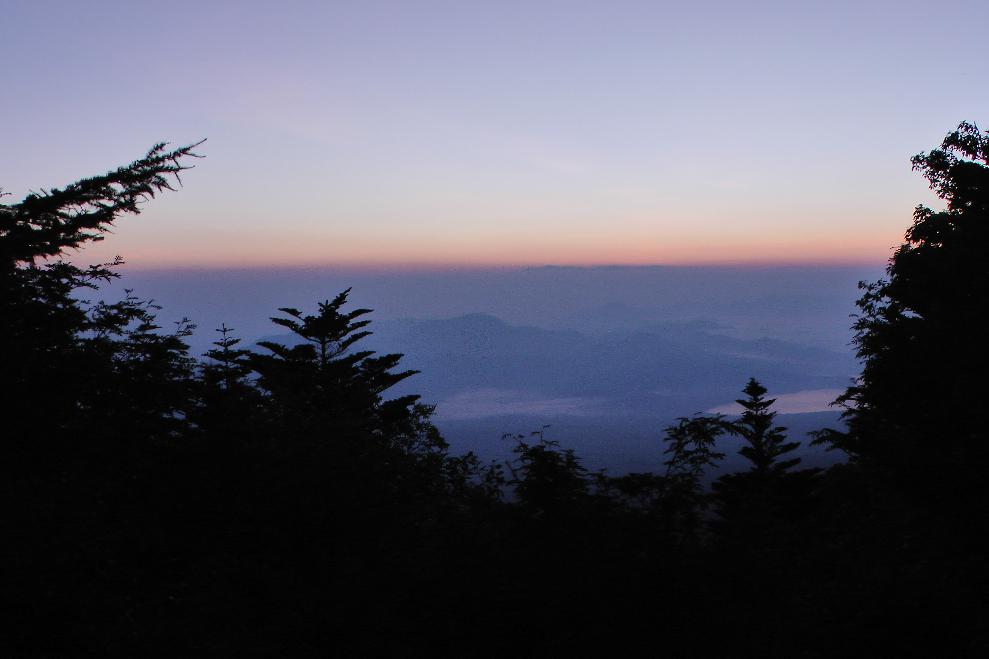
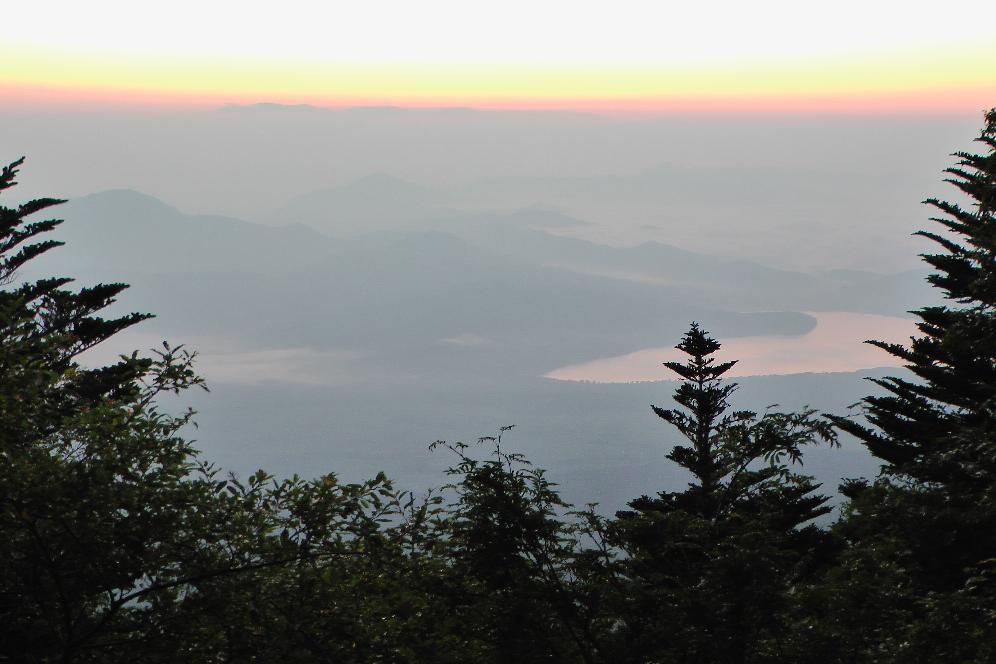
So we are setting forth on our way back. After two hours we are reaching station 5. But it’s not even three a.m. The first buses back to Tokyo are leaving at 10:00 a.m Until dawn we persevere on two hard wooden benches. As compensation for this we are being rewarded with a beautiful sunrise. It is almost completely fogless. Which is a rare event on and around Fuji San. Often thick morning fog gathers and remains, especially in the lowlands, relatively long.

Fuji San rise

Fuji San rise part II
As the first shops are opening their doors at around 6 a. m. (officially most shops open here at 8 or 10 a.m.) there is only one thing which will help my aching stomach: Whiskey. And even this you can get here. So my dear alcoholics. You won’t run out of booze, even here at 2300 m (7545 feet) up Fuji San. Very calming isn’t it?
Diverse hiking routes: http://www.city.fujiyoshida.yamanashi.jp/div/english/html/climb.html
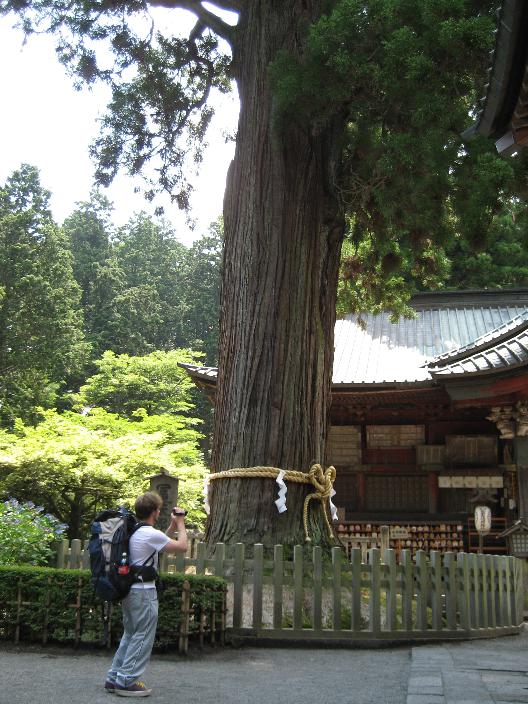
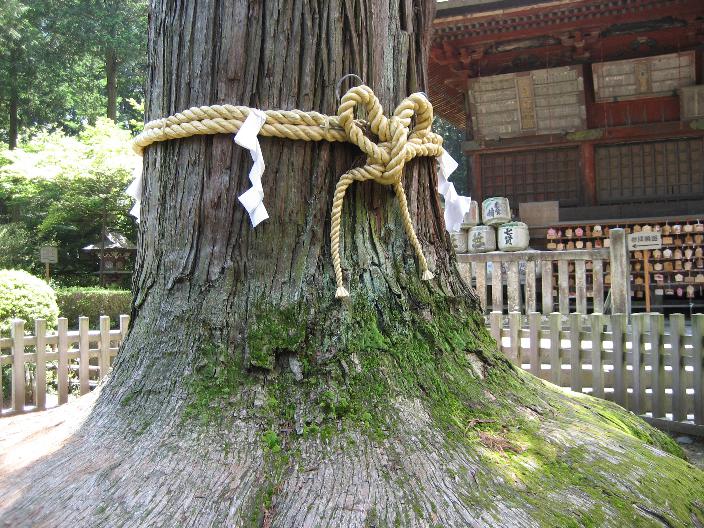
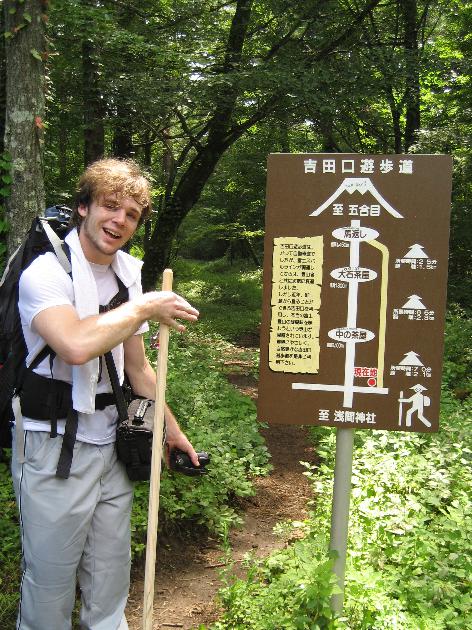
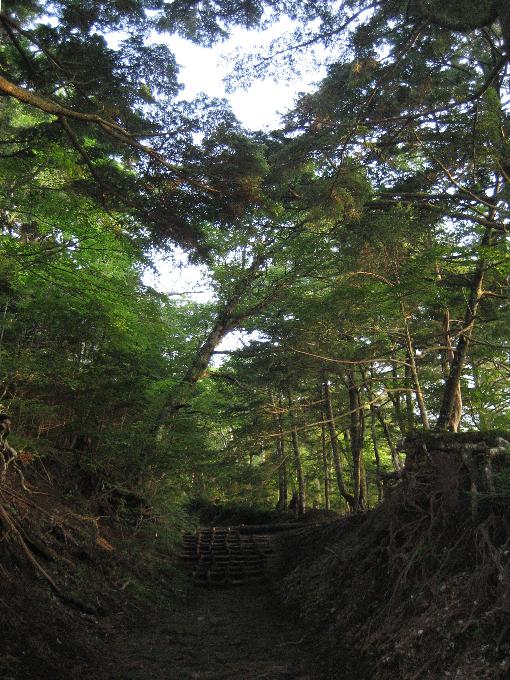
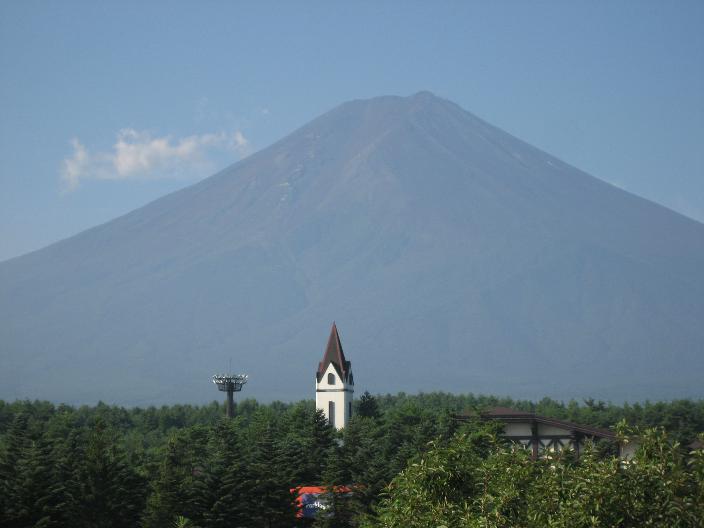
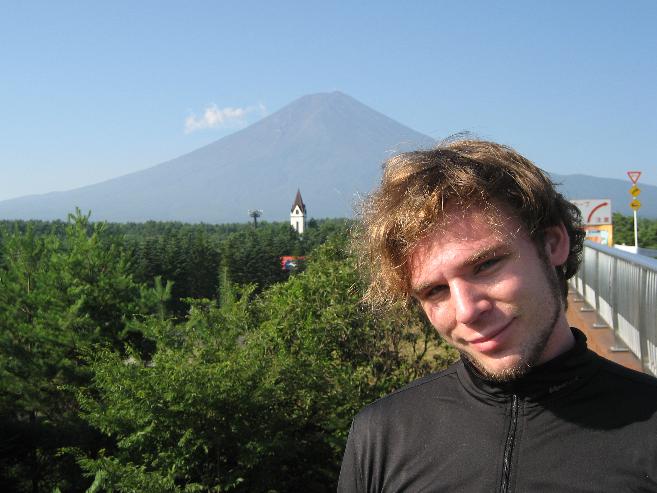
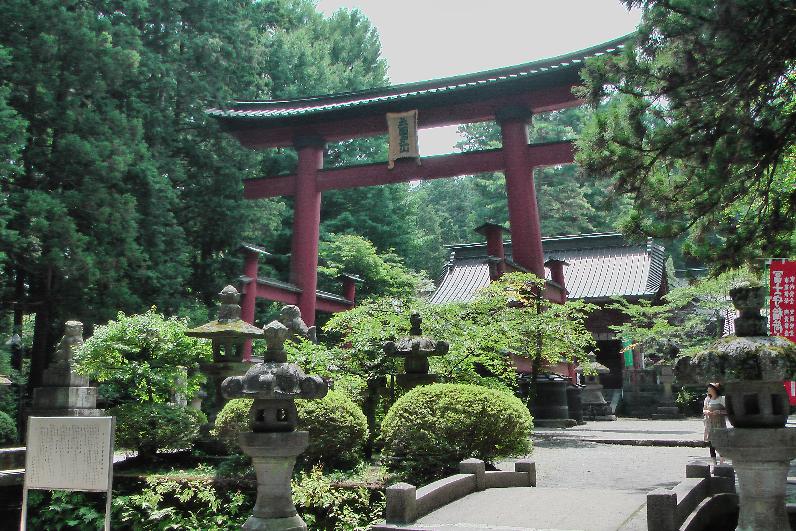
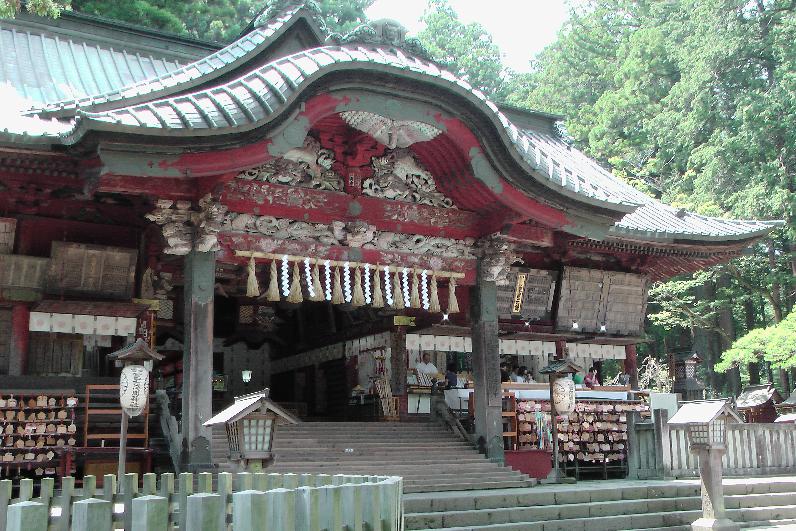
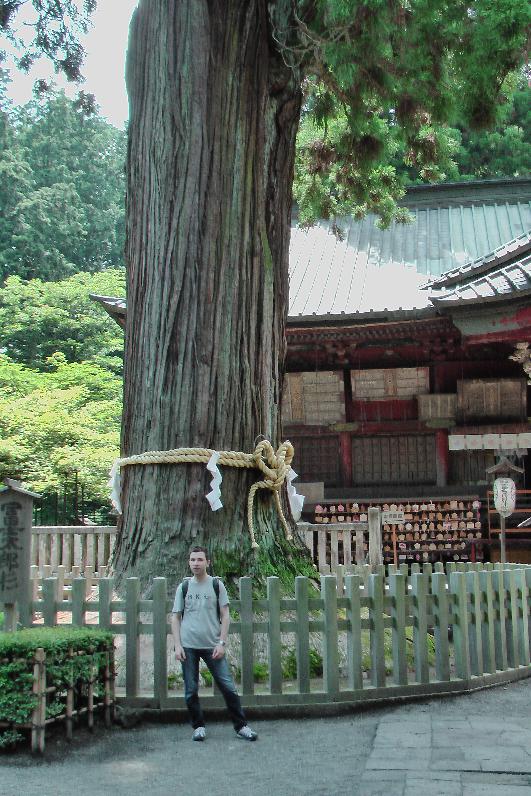
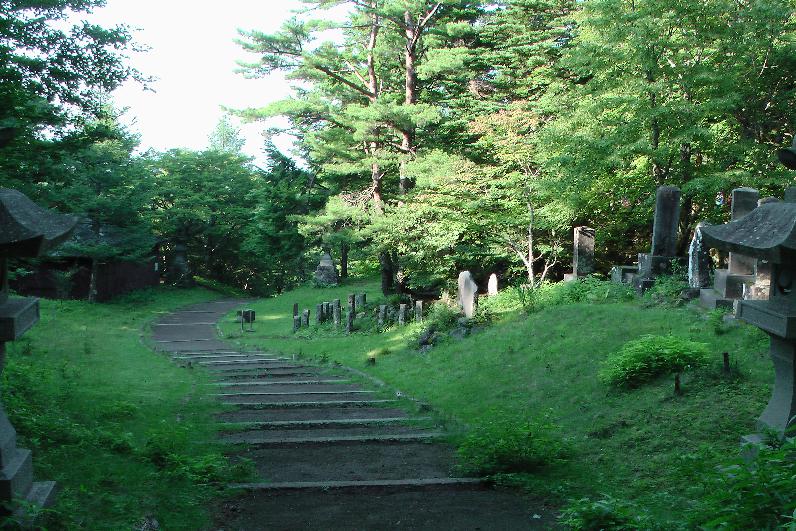
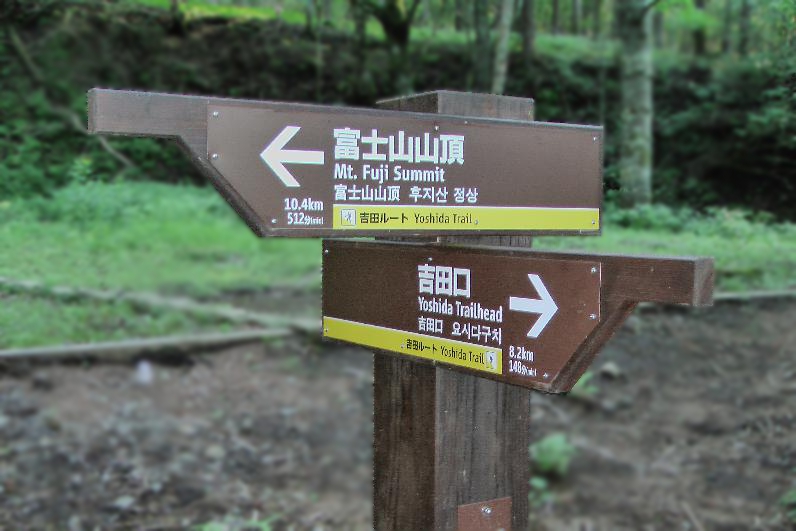
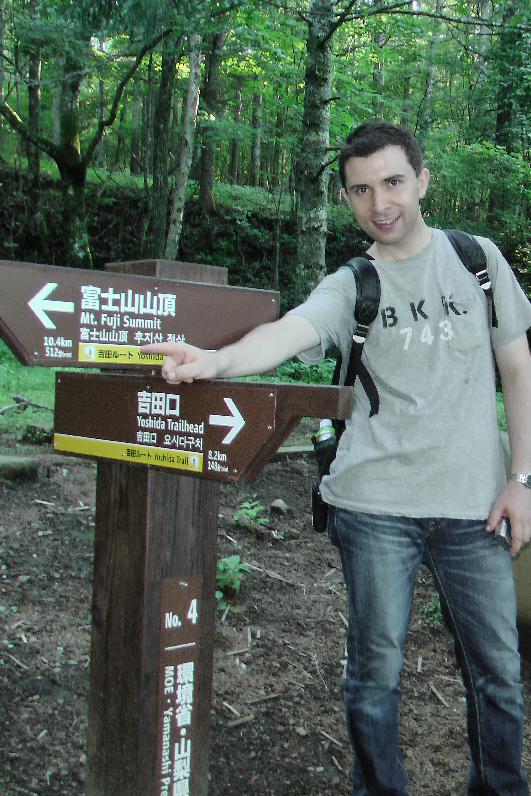
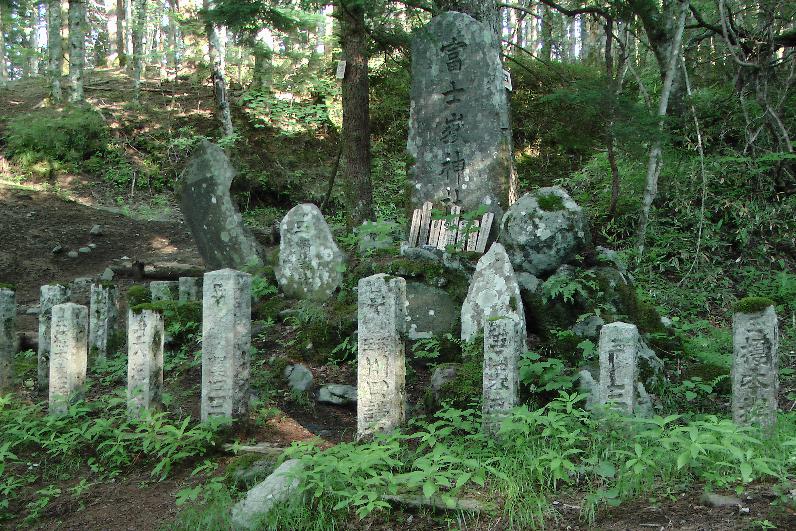
Special thanks to: Hubertus Neidhart from Webspace Provider Network for excellent web page hosting services; Lilith Pendzich, Germany; Brandon Lamb, U.S.A.;
I know I promised to write about climbing Fuji San. But I underwent something else which I simply need to write about…
It is the weekend and I’m meeting with Andreas, one of my school friends who studied Japanese studies and has lived for some years here in Saitama, one of Tokyo’s neighbouring prefectures. As we both are passionate freaks (video game players) we indulge our hobby in the shops/stores of Akihabara. After a long strenuous but satisfying saunter we are setting off for home. At the station of Omiya we part company and I sit down on a chair on the platform for the trains to Kawagoe.
The train towards Tokyo on the opposite platform is approaching. It is honking loudly and stops prematurely. I’m looking at the waiting people on our platform. A throng is forming at the level of the driver’s cab. Parents are taking their children by their hands and pulling them hastily out of the crowd dragging them towards the escalators towards the exits. I’m getting up and approach the crowd. Their views are staring at a spot below the train. Some women are turning away with shocked faces covering their mouths. Now I’m grasping what just has happened. A man, hard to recognise, perhaps between 50 and 60 is lying torpidly and blood-smeared below the train on the concrete ground between the rails.

Station Omiya
How I am supposed to act? Is he still alive? I’m taking a closer look. Yes, he is breathing. Before one can help here and climb into the shaft you should make sure that the track on your side is closed. Because the train for Kawagoe should come in at any second. Suddenly a consistent and almost deafening alarm shrills and simultaneously all pilot lights are turning red. A clear sign that all tracks are closed now and no trains can enter any more. Still nobody jumps into the shaft to help. Even I feel insecure. In contrast to an unsecured accident scene on a road here are railway workers in place who are trained for such incidents after all.
The man is lying on his side and starts to move. He is trying to raise his arm. The people are frantically shouting something to him. Now he is trying to move his legs as well. Every part of his body is moving a bit. So luckily he does not seem to be paraplegic. Also, and as far as I could tell, he did not lose any limbs. However the pool of blood surrounding him unfurled relatively fast, a flag of mourning not easily ignored. Why does it take so long until somebody gets here with a stretcher or for some of the railway workers to get into the shaft to finally pull the man out under the train? Only after almost ten minutes a man with a stretcher appears. Now passengers are climbing into the shaft and coming running by to help. A not benign undertaking as it can be seen quite quickly. The condensing water of the trains air conditions formed a puddle on the slick concrete floor and a coming by passenger slips in the ooze. Luckily he isn’t falling onto the hard rails.
After twenty minutes the man is being heaved by numerous helpers and railway workers with the stretcher onto the platform.
It takes a further ten minutes and the train is being pulled up and now takes up the whole lengths of the stations track. Almost as nothing had happened it is being dispatched and leaves the station towards Tokyo. Now police officers are beginning to document the situation. Witness statements are being taken. It wasn’t an accident it was a suicide attempt.

everything is being recorded
Unfortunately even such moments are part of Tokyo’s daily routine. It sounds macabre but even for suicide a kind of “codex” seems to exist here. And as ironic as it may sound most Japanese people abide by it. One does not kill her or himself during the rush hour because you don’t want to interfere with too many people on their daily commute. I asked several Japanese people if this is supposed to be a bad joke or if it was really true. In fact a lot of people who are taking their own lives here are following this “rule.” I don’t know what to make of this. And I don’t know what I am supposed to feel today. Consternation? Be glad that he survived? Wonder about the contradiction that a lot of Japanese people abide by the rules even when committing suicide… It is simply an inconceivable experience and I might need some time to understand it.

shocked faces

Buddhist heart

Tukizi Hongangi Temple in Ginza, Tokyo
Obon Festival part two. In week nine I showed you some photos of the Obon atmosphere. What I missed to catch so far were the dances linked to this tradition, and of course the kimonos. It’s time to present you some footage from the festival. One of Tokyo’s biggest Obon festival takes place in front of the Tukizi Hongangi Temple in Ginza, one of Tokyo city’s trendier districts. But when looking at this temple it does not really look like a Japanese one, hm? Right, it’s orientated to Indish architecture. Why? Because Buddhism simply originates from India. And this temple is an homage to it. But now enough with writing. Time to celebrate. Enjoy!
Tsukiji Hongwanji Bon Odori Dance Festivities von Daaaaaaaaaaaax

Obon Festival

Kimono collection
Next entry will be about climbing Japan’s highest mountain Fuji San. CU then!
http://www.pluto.dti.ne.jp/~kennyko/tsukiji/tsukinew.htm
Special thanks to: Hubertus Neidhart from Webspace Provider Network for excellent web page hosting services; Lilith Pendzich, Germany; Brandon Lamb, U.S.A.;
I am sticking to my rule about not talking about my work after the first week.

Kawagoe Obon Festival
The 1.000.000 lantern festival is being celebrated in Kawagoe. How Kawagoe looks like during the day I have already shown you. Yet this festival provides the opportunity to take some pictures of the place I am currently living at night.

Vroooooom!
Occasion for the ceremonies are the Buddhist Obon- (お盆or also simply Bon)-festivals being celebrated in Japan during the summer months (usually in July and August). Then Buddhists are commemorating their deceased ancestors. They believe that their ancestors come back to their altars as ghosts and even visit their descendants at home. Of course that’s a great honour. So the cities are being straightened up, the kimonos are being taken out of the wardrobes, you honour your ancestors with dances and good food of course. One would like for them to feel at home at last. The Bon festival lasts for three days and takes place in every prefecture or location on different days. Cool, huh? So you have the chance to celebrate it several times! :)

Kawagoe's pedestrian area
Also the ceremony is celebrated differently from place to place. Here in Kawagoe people are hanging up lanterns everywhere. This custom dates back to an old tradition which has its origin around the 1850’s. Back then after the lord of Kawagoe had died, the daughter of the lords vassal hung up lanterns in the lord’s honour at Obon. As the Kawagoe lord was very popular amongst the people of the town soon the idea was adopted by more and more inhabitants and this way carried out throughout the whole city. And so it became custom to festoon the whole city with lanterns on every Bon.

Yaki Niku grills

Obon feast
As my host Brandon and me are ambling through the streets of Kawagoe I simply can’t resist to ask a convivial crowd if I may take some pics of them.
Instead of getting a simple “Hai” as an answer Brandon and I are being invited to the table. Three Yaki Niku grills are placed on the table and we are being offered Whiskey and both are being pampered by three eighteen year young students. Oh Japan you are beautiful!
Sometimes it is astonishing how things change when setting forth on a journey in a far away country. So I’ve been here for two months now and already withstood the biggest culture shocks. So slowly the daily routine begins for me. My ass!
As I only have a part time job in a daycare I’m applying for further jobs. The most interesting job of all Brandon found for me. He is hosting me for the second time already but he seems to be pretty relaxed about it even though we are only sharing a 16 m² room. There are localising agencies that do bug and and linguistic testing for video games in their development state. Since I look back on several years experience in the video game industry I’m applying at two companies specialized in that field seeking German native speakers. In contrast to the teaching job I can understand that only native speakers can be considered in this case of course. In fact both agencies got back to me, sending me a German test which I have to complete within a weekend respectively two weeks and send it back.
Shortly after sending the completed test back on Monday morning I’m promptly being invited to a job interview the next day. I’m studying their web page and learning that their HQ is located in Canada and they also have a subsidiary in Madrid and of course one here close to Kawasaki.
In a short mail I am confirming the appointment and am asking for understanding to appear in more casual attire since my suit will still be on the way to Japan :) The answer is coming promptly and legitimises me to come to the job interview in a casual dress code.
It is hot and bright this Tuesday and I’m on my way from Kawagoe in Saitama prefecture to Kanagawa prefecture and on to Saginuma. For that I actually have to cross the whole of Tokyo (metropole and prefecture). Actually I am reaching the final destination on time but on my walk to the job interview I’m getting lost once again of course. Obviously I must be about ten minutes away from the office but according to the office’s directions it should only be two minutes. Well, actually I like hot weather but today it’s anything else than helpful. Wandering around in this heat gets me rather sweaty. I’m looking for a taxi as time is running out. Of course you’ll never see one when you need one. I’m supposed to be at the interview at 3 o’ clock/3 p.m. and it is five to 3. Wow, it seems that even here in Japan I live up to my standard: 10 Minutes after time is Simon’s prime. No … unfortunately I don’t comply with that this time. What is even cooler is the fact that I don’t have any cash with me and the taxi, which I just hailed, doesn’t accept credit cards. To inform them about my tardiness I’m calling the agency. In the meantime I’m thinking: In fact it would be best if a Japanese man could explain the directions to the taxi driver. So I am availing myself of this situation and asking the company manager if I may pass on my cell phone to the taxi driver so that he could explain the way to him. I’m passing on the cell phone, the taxi driver receives exact directions and passes the phone back to me. “Oh well, there would be one more thing,”, I’m telling the company manager, “could you please help me out with another problem? I don’t have any cash with me. Could you pay the taxi fare for me and I will pay it back later?” …
With a delay of 20 minutes I’m arriving for the job interview. Seemingly more amused than snubbed are the boss and his personal anager about the way of my advent. However, they are also a little shocked by my appearance. I’m completely soaked with sweat. My shirt is a complete wash rag! And I mean a not wringed out one! Not any dry spot can be spotted on my shirt. It is so wet that it sticks to my skin everywhere. Hm… I think drenched as I am I should keep the comment – “I thought I applied for a wet shirt contest.”, for myself. Also to answer the question if everything was all right in the Bruce Willis style: “Hm…? Ah well yeah today is laundry day!” too does not seem appropriate.
I am certainly aware this isn’t a story book beginning for a new job and after I’ve been informed about what my tasks would be it seems I have to explain another scurrility and seem to completely confuse the manager now: “Just a moment, you are in Japan for almost two months now, are registered to an address where you only live occasionally?”
“Er, yes or thereabouts.”, I’m answering.
“Well, then… As long as you don’t appear to work as late as you were today our company has no problems with that. But how do we calculate your commuting costs then which we would be willing to pay? And to what address are we supposed to send mail? And could you start immediately? You know it’s a full time position.”
“Just a moment. I thought it was a project based job which indicated to me flexible working hours like the language schools here are offering it.” I’m asking.
“No, we would hire you full time! There’s no way around it!” his answer comes pretty straight.
“Well, but I already signed a part time contract as an English teacher. And it’s valid until March next year… Okay. Let’s say I was willing to give up the job as an English teacher provided the daycare would accept the contract annulment. Could we find a solution this way?”, I’m asking.
“Well, as we are urgently looking for someone to fill this position we decide tonight and will let you know about our decision. Should we come down for you we would of course give you one to two days time to solve the problem regarding your part time job. For now we would put the other applicants on hold. Today is Tuesday could you start next Monday?”, he would like to know.
“Well as mentioned before I have to settle this with the daycare. But I’m sure I can give you an answer by tomorrow.”, I’m saying.
“Good, as we are urgently looking for somebody to fill this position as soon as possible we will decide tonight so that you can start to arrange things, should we decide on you. So then all the best!” he’s accompanying me to the door.
“They won’t take me anyway as clumsy, delayed and all sweaty I showed up there and under which criteria it would come to an engagement at all!”, I’m thinking to myself strolling through Shibuya’s metro station when my cell phone is ringing: “Hallo Pendzich San this is the Enzyme office. We would like to hire you…
Wow, pretty cool! What a cool job! But on the other hand… What about the kids at the daycare? They are really dear to my heart already also I don’t want to leave the forthcoming boss in a lurch. But actually lurching is something most Japanese people do every day after work anyway. So maybe they can adapt to this quite easily.
I don’t work at the daycare on Wednesdays but one should not ask the boss via phone, mail or text message to cancel a contract without the one month cancellation period after all. So I’m sallying to the daycare.
Arriving there I’m asking the boss for a confidential conversation. I’m explaining him my situation, that it wasn’t an easy decision for me but I’m asking him to annul the working contract without the cancellation period. As an additional bribery and apology I’m handing him a bottle of wine. So much for leaving him in the lurch. Well, I think this will make the lurching even stronger but what am I to do?
It’s plain to see that my boss Kuba San is not really thrilled that he now, after just one month, has to look for another teacher once again. With Japanese politeness Kuba San accepts my decision. I’m telling him that the linguistic testing agency offered me to avail myself of an interim period of two weeks. Kuba San asks me to work for these two weeks for him. “With pleasure!”, I’m agreeing, “and once again sorry.”
It seems I have to adopt to a new daily routine. I’m excited about what awaits me next week.

You traitor. You promised us to stay until March!

Good bye!
Special thanks to: Hubertus Neidhart from Webspace Provider Network for excellent web page hosting services; my boss Kuba San, Brandon Lamb, U.S.A.;
Well, all right. I was asked by some readers to make use of my tripod and to present some footage.
I’m presenting some of the challenges facing every English teacher in Japan. The biggest seems obviously to be to convey the Japanese people the difference between ‘L’ and ‘R’. Even more difficult is it to teach them the correct pronunciation. Hey what a fun job! Even my name causes them trouble. Either I’m called Dshimon or Shimon. But a regular ‘s’ does not exist in the Japanese language.
I’m not only an English teacher here by the way but I also look after the children. That does also mean to play with them and of course also to pay close attention so that they don’t starve because of my exhausting lessons. By the way my favourite game with the kids is ‘Simon says’.
Kirari Kids von Daaaaaaaaaaaax
Special thanks to: Hubertus Neidhart from Webspace Provider Network for excellent web page hosting services; Kuba San, Japan; Christoph Flossmann, Germany; Brandon Lamb, U.S.A.;